River's Edge Park
A useful orientation point for the surrounding residential streets. When a customer says they are near the park, we know which block to route to and which side of the district we are working.
Rodent Control in River's Edge District FL means getting rats and mice out of the attic, crawl space and garage, then sealing the building so they cannot return. We work the 34950 ZIP weekly, from Indian River Drive to the Avenue E Area, and we know how coastal humidity and older pier foundations change the job. Our technicians inspect, trap, proof and clean up, usually on the same visit you call.
Tell us what is happening. Our local team will confirm your visit shortly.
Call Now (772) 365-9826 → No spam. No obligation. Just practical help.Every service we offer is built for the buildings we actually see in River's Edge District: older waterfront homes on pier foundations, garages packed with storage, attics with original insulation, and small commercial spaces near the Avenue E Area. If you have been searching for affordable Rodent Control in River's Edge District FL, the honest answer is that the price depends on how many entry points your building has and how long the rodents have been inside. We quote it after we look, not before.
 Rodent ControlFull rodent control for River's Edge District homes and businesses: inspection, trapping, bait stations where appropriate, exclusion and follow-up. We start at the foundation and work up to the roofline, because rats on Indian River Drive usually enter low and travel high. Most jobs include a written summary of the entry points we found and sealed.View details →
 Rodent RemovalRodent removal in River's Edge District means getting the animals out, alive or dead, and out of the walls. We use snap traps, live catch traps and glue boards in the right places, never scattered randomly. Dead rodents in a crawl space or wall void are a smell problem within days in this humidity, so we check and clear those spaces on the same visit.View details →
 Rodent ExclusionExclusion is the permanent half of the job. In River's Edge District we seal foundation gaps, soffit lines, plumbing penetrations and vent openings with copper mesh, steel wool and exclusion sealant. Older pier-foundation homes near the lagoon have more of these gaps than newer construction, so we budget the time to find them all before we close anything up.View details →
 Rodent ProofingRodent proofing covers the hardware: rodent-proof vent covers, chimney caps, door sweeps and sealed utility entries. For River's Edge District homes with mature trees overhanging the roof, we also flag the roof-to-branch gaps that give roof rats a clean path in. Proofing is usually a one-day job on a single-family home.View details →
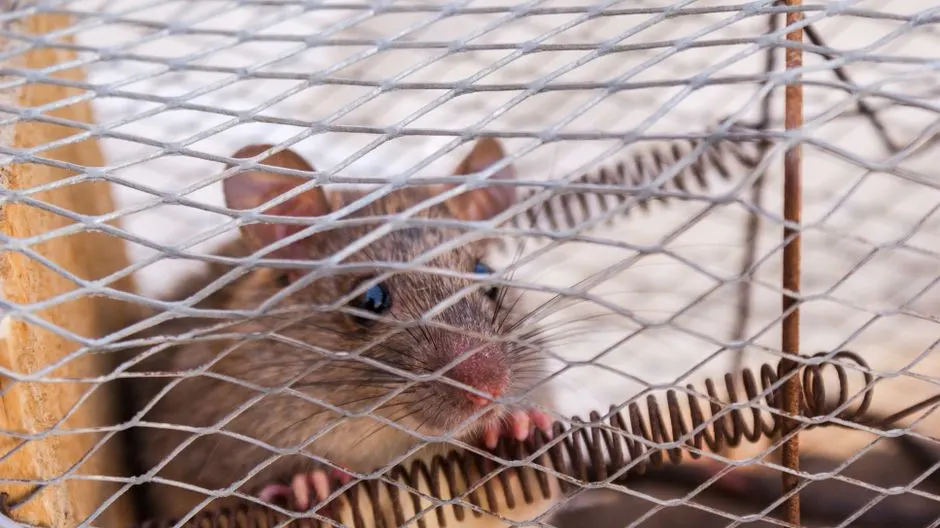 Rat ControlRat control in River's Edge District is mostly roof rat work. They travel power lines and tree limbs, nest in attics and wall voids, and leave greasy rub marks along the routes they use. We map those routes, set traps along them, and then cut the access. Norway rats show up closer to ground level near garages and sheds.View details →
 Rat RemovalRat removal for River's Edge District customers means trapping the colony out and pulling carcasses from attics, wall voids and crawl spaces. We use Victor and JT Eaton snap traps along known runways, and we check them on a set schedule rather than leaving them for you to monitor. Expect two to four visits on a typical rat job.View details →
 Rat ExclusionRat exclusion closes the openings a rat can actually use, which is anything wider than a quarter. On Indian River Drive and around the Avenue E Area we focus on roof returns, soffit gaps, plumbing chases and pier-foundation skirting. Copper mesh and exclusion sealant hold up better than foam in coastal humidity.View details →
 Mouse ControlMouse control in River's Edge District is a different job from rat work. House mice fit through a gap the width of a pencil, so sealing has to be finer and more thorough. We use small snap traps and bait stations in garages, kitchens and storage rooms, then seal the fine gaps most homeowners never notice.View details →
 Mouse RemovalMouse removal for River's Edge District homes usually means a garage, kitchen or pantry problem rather than an attic one. We trap the active areas, clear the nesting material, and wipe down the surfaces where droppings collected. Chewed food packaging is the giveaway we hear about most on these calls.View details →
 Mouse ExclusionMouse exclusion is detail work. In River's Edge District we seal gaps around pipes, behind cabinets, along baseboards and at garage door corners with steel wool and caulk. Door sweeps matter here too, especially on older garages where the original sweep has worn away and left a gap at the threshold.View details →
 Rodent InspectionA rodent inspection in River's Edge District covers the attic, crawl space, garage, exterior perimeter and roofline. We use flashlights, inspection mirrors and thermal imaging cameras to find entry points and nesting areas you cannot see from the floor. You get a written list of what we found and what it takes to fix it.View details →
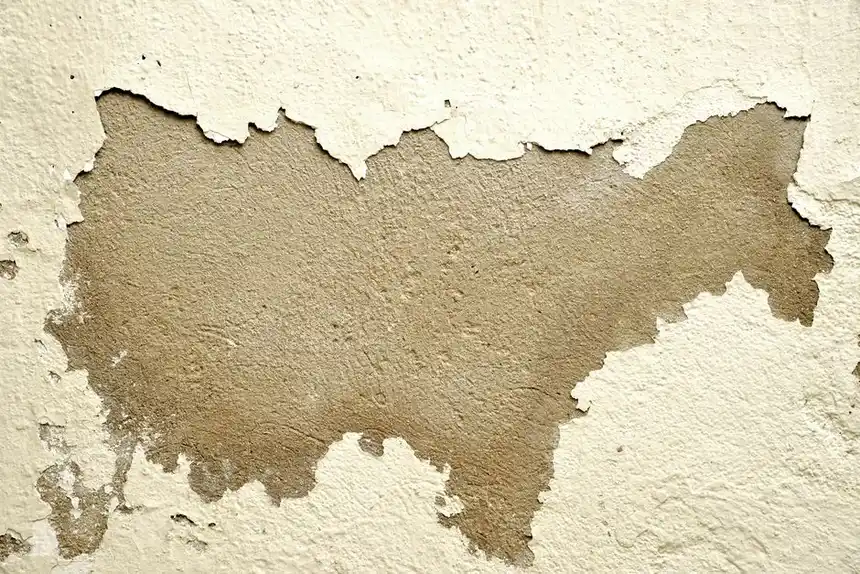 Rodent Damage RepairRodent damage repair fixes what the animals chewed: gnawed wires, torn duct insulation, damaged vapor barrier and chewed framing. In River's Edge District attics we see a lot of insulation damage from long-running infestations. We repair what we can and tell you plainly what needs a licensed electrician or HVAC tech.View details →
 Rodent Droppings CleanupRodent droppings cleanup is a safety job, not a sweeping job. We remove droppings, nesting material and contaminated insulation, then disinfect the surfaces. In River's Edge District crawl spaces and attics, this step matters because the humidity keeps odors around long after the animals are gone.View details →
 Attic Rodent ControlAttic rodent control is our most common River's Edge District call. Roof rats enter at the roofline, nest in the insulation, and run the same paths every night. We trap along those paths, remove the soiled insulation where needed, and seal the roof and soffit entry points so the next colony cannot move in.View details →
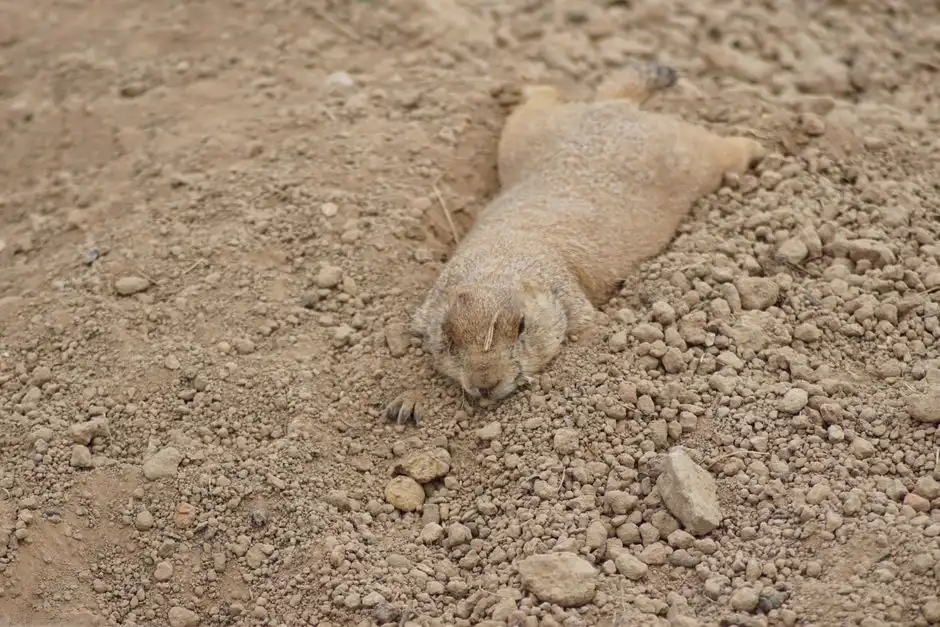 Crawl Space Rodent ControlCrawl space rodent control in River's Edge District often means pier foundations and open skirting. Rats and mice use those gaps as a front door. We seal the perimeter, set traps inside, and replace damaged vapor barrier where rodents have torn it up. This is also where we find the worst odor problems.View details →
 Garage Rodent ControlGarage rodent control for River's Edge District homes focuses on door thresholds, stored boxes and wall penetrations. Garages are the easiest room for rodents to reach and the hardest to keep clean. We seal the corners, set bait stations where pets and kids cannot reach them, and clear out nesting material.View details →
 Commercial Rodent ControlCommercial rodent control in River's Edge District covers restaurants, shops and small offices that need documentation as well as results. We use tamper-resistant bait stations, service logs and scheduled visits. Health inspectors want to see a program, not just a trap, and we build the paperwork into the service.View details →
 Residential Rodent ControlResidential rodent control is the core of what we do in River's Edge District. Single-family homes, duplexes and small rentals, all handled the same way: inspect first, treat the actual problem, seal the building, and check back. We treat your attic and crawl space the way we would treat our own.View details →
 Emergency Rodent RemovalEmergency rodent removal is for the calls that cannot wait: a rat in the kitchen at night, scratching in a bedroom wall, or a rodent in a crib or pantry. We run 24/7 response for River's Edge District and can usually be on site the same day you call. Call (772) 365-9826 and we will move.View details →
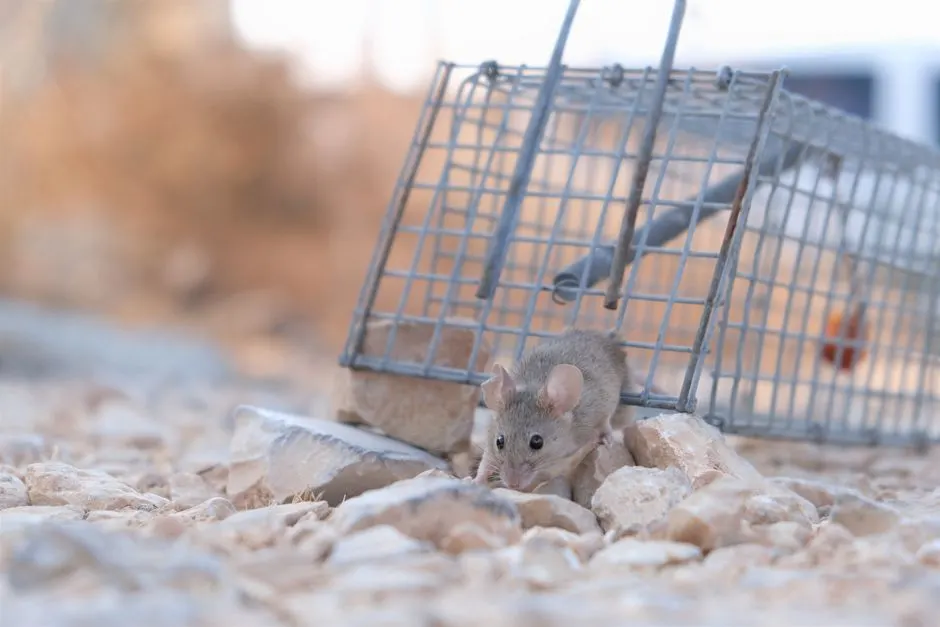 Rodent TrappingRodent trapping in River's Edge District uses snap traps, live catch traps and glue boards placed along runways, not scattered around the room. Placement is the whole job. We set traps where the rodents already travel, check them on a schedule, and remove the catch so you never handle it yourself.View details →
 Rodent BaitingRodent baiting uses rodenticide bait blocks in tamper-resistant bait stations, placed where pets, kids and wildlife cannot reach them. We use products from Bell Laboratories and Neogen and follow the label exactly. Baiting is a tool, not a whole program, and we pair it with trapping and exclusion.View details →
 Rodent Exclusion SealingRodent exclusion sealing is the detailed pass where we close every gap we found during inspection. Copper mesh, steel wool, exclusion sealant and a caulking gun, applied to foundation gaps, pipe penetrations, soffits and vents. On a typical River's Edge District home this is a half-day to full-day job.View details →
 Rodent-Proof Vent CoversRodent-proof vent covers replace the flimsy screens on foundation and gable vents with hardware cloth and metal covers rodents cannot chew through. In River's Edge District, original vent screens on older homes are one of the most common entry points we find. The swap takes minutes and closes a permanent hole.View details →
 Rodent-Proof Chimney CapsRodent-proof chimney caps close the top of an open flue, which is a straight drop into the house for rats and squirrels. We install caps sized to your chimney and check the flashing while we are on the roof. On River's Edge District homes with mature oaks overhead, this is a frequent fix.View details →
 Rodent-Proof Door SweepsRodent-proof door sweeps close the gap under exterior doors, garage doors and utility doors. A quarter-inch gap is enough for a mouse. We fit sweeps that actually contact the threshold and hold up to daily use, which matters on the older garage doors common around the Avenue E Area.View details →
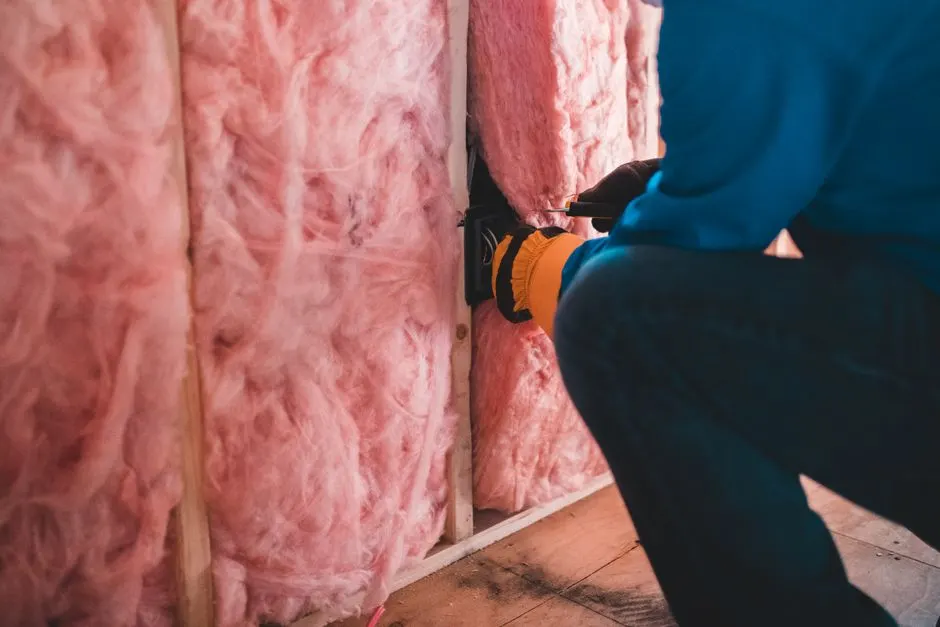 Rodent-Proof InsulationRodent-proof insulation replaces attic batts that rodents have tunneled through and soiled. We remove the contaminated material, treat the space, and install insulation that holds up better against nesting. In River's Edge District attics, this is often the difference between a fix and a repeat problem.View details →
 Rodent Sanitation ServicesRodent sanitation services cover the cleanup after removal: droppings, urine, nesting material and contaminated surfaces. We use disinfectant and deodorizer rated for the job, and we bag and remove the waste. For River's Edge District crawl spaces, this step is what actually removes the smell.View details →
 Rodent DeodorizationRodent deodorization treats the odor left behind in attics, wall voids and crawl spaces after an infestation. Coastal humidity in River's Edge District holds odors longer than dry climates do. We treat the source, not just the air, so the smell does not come back a week later.View details →
 Rodent PreventionRodent prevention is the annual plan: a yearly inspection, sealing any new gaps, and keeping bait stations and traps in place where they are needed. For River's Edge District homes near the lagoon and dense vegetation, a yearly check is cheaper than a second infestation. We schedule it and remind you.View details →
 Wildlife RemovalWildlife removal handles the animals that are not rodents but use the same entry points: squirrels, opossums and raccoons in attics and crawl spaces. We hold the state limited certification for commercial wildlife required to do this work legally in Florida. Same inspection process, different removal method.View details →
Rodent Control near River's Edge District runs on a fixed sequence: inspect, identify, remove, exclude, sanitize, verify. We start at the exterior perimeter and work inward, because the entry point is almost always outsi
Pier foundations leave a continuous gap under the house that rats and mice use as a front door. Standard slab-home methods miss it entirely, and traps set inside the living space never solve the problem.
How we help: We crawl the full perimeter, seal the skirting gaps with copper mesh and exclusion sealant, and set traps inside the crawl space before we close it up. On most River's Edge District pier homes this single step removes the main access route.
Tree limbs touching the roof give roof rats a clean highway into the attic. Without cutting that route, exclusion work on the ground does nothing to stop them.
How we help: We identify the overhanging limbs and roof returns during inspection, seal the roofline gaps, and tell you exactly which branches to trim back. We do not cut trees, but we show you the two or three limbs that matter.
Warm, humid air along the Indian River Lagoon means rodents stay active all year instead of dying back in winter. Odors from dead rodents and soiled insulation also linger longer here than in drier climates.
How we help: We plan for repeat visits rather than a one-and-done treatment, and we include sanitation and deodorization on attic and crawl space jobs. Removing the source of the odor is the only fix that holds in this climate.
Scratching or scurrying at night
Droppings in the garage or kitchen
Gnawed wires or chewed food packaging
Greasy rub marks along walls or beams
Persistent musty or ammonia odor
Typical 2026 pricing for rodent control in River's Edge District runs $180 to $450 for a standard inspection, trapping setup and first follow-up on a single-family home. Crawl space and attic jobs with sanitation usually land between $450 and $900 depending on square footage and how much insulation has to come out. Full exclusion packages, where we seal the whole building envelope, run higher because of the labor and materials involved. What moves the number most is the number of entry points we find, not the size of the house. A pier-foundation home with six open gaps takes longer than a slab home with one. We quote after inspection, and the price we give you is the price you pay.
We run 24/7 for emergency rodent removal in River's Edge District, including nights and weekends. Standard inspections book within 24 to 48 hours, and same-day slots are usually available if you call before noon. Commercial accounts on the Avenue E corridor can be scheduled outside business hours so we are not in the way during service.
Every gap we seal adds labor and materials. River's Edge District pier-foundation homes often have four to eight entry points, while newer slab homes may have one or two. This is the single biggest driver of cost on an exclusion job.
Attic and crawl space work takes longer and requires more equipment. Low-clearance crawl spaces under older River's Edge District homes can double the time on site compared to an open attic with a walkable deck.
If droppings, urine or soiled insulation have to be removed and replaced, that adds a disposal and material cost. In this humidity, skipping sanitation usually means the odor comes back, so we price it in when the inspection shows it is needed.
River's Edge District is compact, but the streets along the water can be confusing if you do not know them. Our technicians use the local landmarks as orientation points when routing between jobs, and it helps us give you an accurate arrival window instead of a vague one. If you are giving us directions, mention the nearest landmark and we will find you faster.
A useful orientation point for the surrounding residential streets. When a customer says they are near the park, we know which block to route to and which side of the district we are working.
The lagoon defines the eastern edge of the district. It tells us which properties are waterfront, which affects both the rodent pressure we expect and how we plan the exclusion work.
A reliable reference point for the downtown-adjacent streets. Customers near City Hall are usually a short drive from our River's Edge District route, which helps with scheduling.
A well-known waterfront landmark that helps us locate the surrounding streets and waterfront properties quickly when a customer uses it as a reference point.
These are our most frequently served ZIP codes. Nearby areas may also qualify—call if you do not see yours.
River's Edge Main · River's Edge Waterfront · Indian River Drive Area · Avenue E Area
“We had rats in the attic for weeks and could not figure out where they were getting in. The technician crawled the whole perimeter, showed me the gaps under the house, and sealed them the same day. He also set traps in the attic and came back twice to check them. No scratching since. Fair price and no upsell.”
Marisol R.River's Edge Waterfront
Verified“Called on a Friday about mice in the garage and they came out Saturday morning. Sealed the wall gaps, replaced the door sweep, and set traps. What I appreciated was the explanation, he told me exactly which gap the mice were using and why the old sweep was useless. Done in under two hours.”
Dennis K.Avenue E Area
Verified“The crawl space under our older home smelled awful and we assumed it was just the humidity. Turned out to be years of rodent damage. They cleaned it out, disinfected, replaced the vapor barrier and sealed the skirting. Took a full day and the smell was gone by the next week. Worth every dollar.”
Angela P.Indian River Drive
VerifiedOur team can help if your question is not answered here.
Call (772) 365-9826 →Most River's Edge District jobs run $180 to $450 for inspection, trapping and a follow-up visit. Attic or crawl space work with sanitation runs $450 to $900. Full exclusion packages cost more because of the sealing labor. The number of entry points drives the price more than the size of the house, so we quote after inspection.
The right answer is the company that inspects before quoting, seals the building instead of only trapping, and stands behind the work with a warranty. We hold the Florida pest control license, the FDACS applicator license and EPA certification, and we warranty our exclusion work for 12 months. Ask any company you call those same questions and compare.
Yes. We run emergency rodent removal around the clock for River's Edge District, including nights and weekends. If you have a rat in the kitchen or scratching in a bedroom wall, call (772) 365-9826. Same-day slots are usually available if you call before noon, and we can often be on site within a few hours.
Getting rid of rats takes three steps, not one. First, trap the colony using snap traps or live catch traps placed along their runways. Second, seal every entry point wider than a quarter inch with copper mesh and exclusion sealant. Third, clean up the droppings and soiled insulation. Skipping the sealing step is why most DIY attempts fail and the rats come back.
A standard inspection takes 45 to 60 minutes. Trapping programs usually run two to four visits over two to three weeks. Exclusion sealing on a single-family home is a half-day to full-day job. Attic or crawl space sanitation with insulation replacement can take a full day on its own. We give you the schedule up front so you know what to expect.

Rodents do not wait, and neither should you. Call (772) 365-9826 for a same-day inspection anywhere in Fort Pierce and St. Lucie County. Written pricing before we start, and a follow-up visit to confirm the job is done.
Tell us what you are seeing and where you are located. Our team will call to confirm the right appointment type and timing.