Why Do I Hear Scratching in My Attic at Night?
Scratching in your Fort Pierce attic at night almost always means rats, mice, or squirrels moving through insulation. Here's how to identify it and stop it.
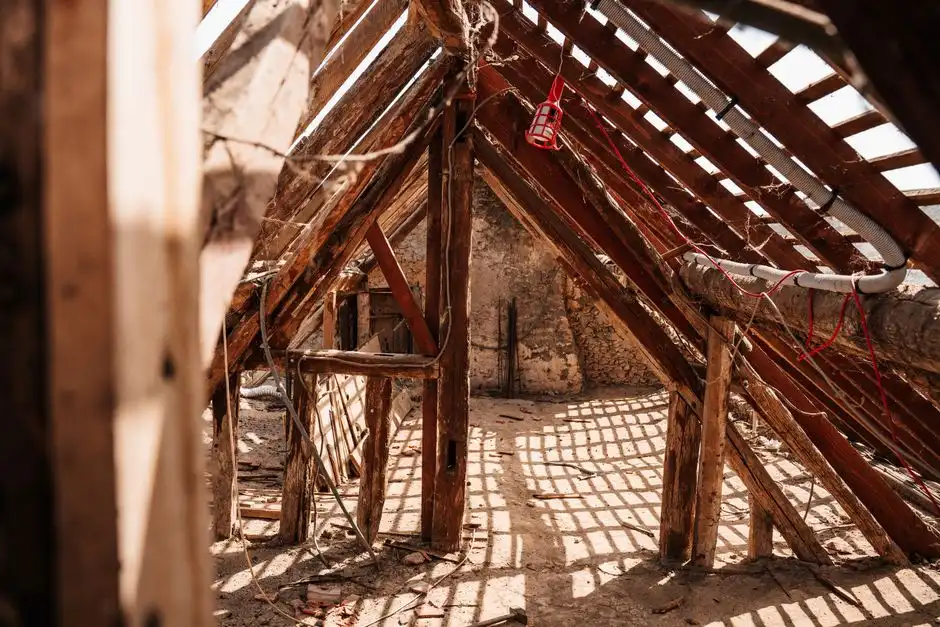
If you hear scratching in your attic at night, the sound is almost always a nocturnal rodent - most often a roof rat, a house mouse, or a squirrel that has found a gap in your roofline and made itself at home in your insulation. In Fort Pierce, the culprit is a roof rat about seven times out of ten, and the scratching peaks between 10 p.m. and 3 a.m. because that's when these animals feed and travel.
Why do I hear scratching in my attic at night Fort Pierce homeowners ask us this constantly, and the answer comes down to three things: the animal, the time of day, and the building. Below we'll walk through how to identify the noise, why it's louder after dark, what makes Fort Pierce homes so attractive to rodents, and exactly how to get the scratching to stop.
The short answer: what's making that noise
Scratching in an attic at night is the sound of claws on wood, drywall, or ductwork as a rodent moves through the space. It is not the animal chewing - chewing sounds like a low grinding or gnawing, and it usually happens in short bursts. Scratching is movement, and movement means the animal is active, which for rats and mice means nighttime.
Attic rodent control in Fort Pierce is a category of work that involves identifying the species, removing it, sealing the entry points, and cleaning up what it left behind. You can't skip any of those four steps and expect the scratching to stay gone.
Here's what each sound usually means:
- Light, rapid scratching across a wide area - usually a mouse or a small rat moving through blown-in insulation.
- Heavier scratching with thumps - a roof rat or a squirrel; squirrels add a bounding, almost hopping rhythm.
- Scratching plus squeaking or chirping - almost always a nursing female with a litter.
- Scratching that stops the moment you bang on the ceiling - a rat or mouse. Squirrels are bolder and often resume within a minute.
If you hear the noise in the walls instead of the attic, that's the same animal using the wall cavity as a highway between the attic and the kitchen or garage.
Why the scratching gets worse after dark
Rats and mice are nocturnal, which means their activity window starts about 30 minutes after sunset and runs until just before dawn. In Fort Pierce, that's roughly 6:30 p.m. to 6:30 a.m. in November and closer to 8:30 p.m. to 6 a.m. in July. The scratching you hear at 11 p.m. is the animal leaving its nest to forage.
There's a second reason the noise is louder at night: your house is quieter. During the day, traffic on US-1, the AC compressor cycling, and the dishwasher all mask low-frequency sounds. At night, the same scratching that was inaudible at noon becomes the loudest thing in the house.
Temperature matters too. On a cool November night in Fort Pierce, when the outside temperature drops into the low 60s, rodents move deeper into the attic to stay warm - often right above the bedroom ceiling. That's why so many people notice the problem for the first time in late fall and winter.
How to tell if it's a rat, mouse, or squirrel
Identifying the animal matters because the removal method, the exclusion work, and the cleanup are all different. A rat needs rat control Fort Pierce homeowners can rely on; a squirrel needs a completely different approach because it's a wildlife issue, not a rodent-control issue in the traditional sense.
Roof rats
Roof rats are the most common attic rodent in Fort Pierce. They're 13 to 18 inches long including the tail, and they climb. They enter through gaps as small as a half-inch, often at the roof-to-wall junction, around plumbing vents, or through the weep holes in brick. Droppings are about 3/4 inch long with pointed ends. You'll usually hear them in the upper corners of the attic and along the ridge line.
House mice
Mice are smaller - 5 to 8 inches including the tail - and their scratching is lighter and faster. Droppings are 1/8 to 1/4 inch, shaped like a grain of rice. Mice tend to nest in insulation near the eaves and can squeeze through a gap the width of a pencil. A mouse problem in the attic almost always means there's also a mouse problem in the kitchen or pantry.
Squirrels
Squirrels are active during the day, so if you hear scratching at 2 p.m. and again at 6 a.m., that's your animal. They're louder, they gnaw on rafters and electrical wiring, and they often enter through a soffit gap or a damaged fascia board. Squirrels in the attic are a fire risk because of the wiring damage, and they need to be removed before any sealing work is done.
Why Fort Pierce homes attract attic rodents
Fort Pierce sits in one of the most rodent-friendly climates in the country. The combination of year-round warmth, mature oak canopy, and proximity to the Indian River Lagoon means rats and mice have food, water, and cover within a few hundred feet of almost every home.
Three local factors make it worse:
- Older housing stock. Homes built in the 1950s through 1970s - which is most of the neighborhoods near downtown and along Orange Avenue - have vented soffits, original roof decking, and gaps around plumbing that were never sealed to modern standards.
- Hurricane season damage. Every storm season leaves behind lifted shingles, torn soffit screens, and loosened fascia. Those small openings are exactly what a roof rat is looking for. We see a spike in attic calls every October and November after the summer storm season.
- Irrigation and landscaping. Fort Pierce yards stay green year-round, which means a constant water source. Fruit trees, bird feeders, and palm fronds give rodents both food and easy access to the roofline.
If your home is in a neighborhood like Lakewood Park, White City, or the older streets near the Sunrise Theatre, you're in the highest-risk zone for attic rodents in the area.
What to watch out for (common mistakes)
The biggest mistake we see is sealing the attic before the animals are out. If you close the entry point with a rat still inside, it will chew a new hole within 48 hours - usually through drywall into a closet or hallway ceiling. Now you have a rat in the living space instead of the attic.
Other mistakes that cost Fort Pierce homeowners money:
- Using poison bait in the attic. A poisoned rat dies in the attic or wall cavity, and the smell can last three to six weeks. In a Fort Pierce summer, that smell gets into the HVAC system and spreads through the whole house.
- Setting traps without gloves. Rats and mice avoid traps that carry human scent. Wear nitrile gloves and handle traps by the edges only.
- Ignoring the droppings. Rodent droppings carry salmonella and hantavirus. Sweeping them up dry sends contaminated dust into the air. Professional rodent droppings cleanup Fort Pierce services use HEPA equipment and disinfectant, not a broom.
- Assuming one entry point. The average Fort Pierce attic we inspect has three to five separate entry points. Sealing one and calling it done just moves the problem.
- Waiting until the noise stops. If the scratching stops on its own, the animal didn't leave - it either died in the attic or moved into the walls. Both are worse than the original problem.
How to stop scratching in your attic
Stopping the scratching permanently takes four steps in this order: inspect, remove, exclude, and clean. Skipping any one of them means the noise comes back.
Step 1: Full attic and roofline inspection
We inspect the attic, the roofline, the soffits, the crawl space, and the exterior foundation. We're looking for entry points, rub marks, droppings, nesting material, and urine staining. A thorough rodent inspection Fort Pierce homeowners can trust takes 45 to 90 minutes on a typical single-story home.
Step 2: Remove the animals
Trapping is the most reliable method for rats and mice. We use snap traps and multiple-catch traps placed along the travel routes we found during the inspection. For squirrels, we use one-way exclusion doors so the animal leaves and can't get back in. Poison is a last resort and never used inside the living space.
Step 3: Seal every entry point
This is the step that actually solves the problem long-term. Rodent exclusion Fort Pierce work means sealing gaps with hardware cloth, copper mesh, and sealant - not spray foam, which rats chew through in a single night. We seal roof-to-wall junctions, plumbing and HVAC penetrations, vent openings, chimney tops, and door sweeps. A typical Fort Pierce home needs 8 to 20 sealed points.
Step 4: Clean and deodorize
Once the animals are out and the building is sealed, we remove contaminated insulation, disinfect the attic, and treat for odor. Rodent urine leaves a pheromone trail that attracts new rodents, so deodorizing isn't optional - it's part of the fix.
Typical 2026 pricing in this area runs $350 to $650 for inspection and trapping on a standard home, and $800 to $2,200 for full exclusion and sanitation work depending on attic size and how many entry points need sealing.
When to call a professional
Call a professional if you've heard scratching for more than three nights in a row, if you've found droppings, if you've seen gnaw marks on wiring or ductwork, or if the noise is in a wall or ceiling you can't access. Those are all signs of an established infestation, not a one-off visitor.
DIY trapping works for a single mouse in a garage. It does not work for a roof rat colony in an attic with five entry points, and it's genuinely dangerous when the animal is chewing on electrical wiring. Our team at TideCrest Rodent Solutions handles the full job - inspection, removal, sealing, and cleanup - so you're not chasing the problem across three weekends. We also offer residential rodent control Fort Pierce homeowners use for ongoing protection, and commercial rodent control Fort Pierce businesses rely on for health-code compliance.
Frequently Asked Questions
What causes scratching in attic at night in Fort Pierce?
Nocturnal rodents - most commonly roof rats, then house mice, then squirrels. Roof rats make up roughly 70% of the attic scratching calls we run in Fort Pierce. The scratching is the sound of claws on wood or drywall as the animal moves through the attic during its nighttime activity window, usually between 10 p.m. and 3 a.m.
How do I get rid of scratching in my attic in Fort Pierce?
You have to remove the animal first, then seal every entry point, then clean the contaminated area. Trapping typically takes 5 to 14 days. Sealing a standard Fort Pierce attic takes one day. If you seal before removal, the animal chews a new hole - usually into a closet or hallway ceiling - within 48 hours.
Is it a rat or a mouse scratching in my attic in Fort Pierce?
Rats scratch heavier and slower; mice scratch lighter and faster. Check the droppings: rat droppings are about 3/4 inch with pointed ends, mouse droppings are 1/8 to 1/4 inch and rice-shaped. If the scratching is loud enough to wake you through a ceiling, it's almost certainly a rat or a squirrel.
Should I call an exterminator for attic scratching in Fort Pierce?
Yes, if the scratching has lasted more than three nights, if you've found droppings, or if you've seen gnaw marks on wiring. A single mouse in a garage is a DIY job. A rat colony in an attic with multiple entry points is not - and the wiring damage is a real fire risk. Call (772) 365-9826.
Will the scratching stop on its own?
No. If the noise stops, the animal either died in the attic or moved into the walls. A dead rodent in a Fort Pierce attic produces an odor that lasts three to six weeks and can spread through the HVAC system. Treat silence as a bigger problem, not a solved one.
Get help with Rodent Control in Fort Pierce
If you're hearing scratching in your attic at night, we can identify the animal, remove it, seal your home, and clean up the mess - usually within a week of the first visit. Call TideCrest Rodent Solutions at (772) 365-9826 and we'll schedule an inspection at your Fort Pierce home.