How to clean up rodent droppings safely
Rodent droppings carry real health risks. Here's the safe, step-by-step way to clean them up in Fort Pierce, plus when to call a pro for rodent waste cleanup.
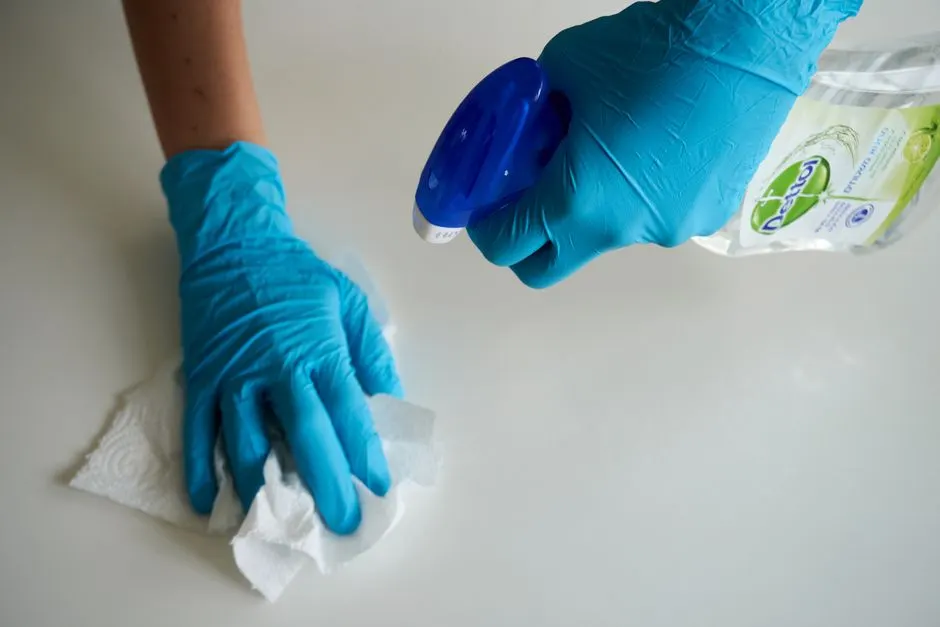
Cleaning up rodent droppings safely means never sweeping or vacuuming them dry, wearing gloves and a respirator, misting the droppings with a disinfectant first, and bagging all waste in sealed plastic before wiping the surface down twice. That is the whole answer. The rest of this post covers the PPE you actually need, the disinfectants that work on hantavirus and salmonella, the mistakes we see most often in Fort Pierce homes, and when the job is big enough that you should hand it to a professional rodent droppings cleanup crew.
Rodent droppings cleanup is not a broom-and-bucket job. Those pellets are a biohazard, and how you handle them decides whether you walk away clean or breathe in contaminated dust.
Why rodent droppings are more dangerous than they look
Rodent droppings in Fort Pierce carry bacteria, viruses, and parasites that become airborne the moment you disturb them dry. Hantavirus, salmonella, leptospirosis, and lymphocytic choriomeningitis virus all travel through rodent urine, feces, and saliva. The pellets themselves are not the only problem - dried urine on attic joists and garage shelves is just as infectious.
Rats and mice in this part of the Treasure Coast leave 40 to 50 droppings per day each, so a two-week-old infestation in a single attic can leave behind several hundred pellets before you ever see a live rodent. That is why Rodent Inspection Fort Pierce FL always starts with a full contamination map, not just a trap count.
Hantavirus is the one that gets the headlines, but in Florida the more common threats are salmonella from surface contact and leptospirosis from urine that has soaked into insulation or cardboard. You do not have to touch a dropping to get sick. Stirring up dust in a closed garage or attic is enough.
What should you wear to clean rodent droppings in Fort Pierce?
Wear an N95 or P100 respirator, nitrile gloves, eye protection, and disposable coveralls or long sleeves you can wash separately in hot water. That is the minimum. A dust mask from the hardware store is not enough - the particles that carry hantavirus are smaller than what a basic mask filters.
Here is the PPE list we hand our own technicians before they enter an attic or crawl space:
- Respirator: NIOSH-approved N95 at minimum; P100 if you are working in a closed attic.
- Gloves: Nitrile, not latex. Double up if you are handling soaked insulation.
- Eye protection: Sealed goggles, not open safety glasses.
- Clothing: Disposable Tyvek suit or clothes you will bag and wash immediately after.
- Footwear: Boots or shoes you can wipe down with disinfectant and leave outside.
If you have to work in a Fort Pierce attic between May and October, add a second respirator filter and take breaks. Attic temperatures here regularly hit 130 to 140 degrees, and heat exhaustion is a real risk on top of the contamination.
Step-by-step: how to clean up rodent droppings safely
Safe rodent dropping removal in Fort Pierce FL follows a fixed order: ventilate, protect yourself, wet the droppings, remove them, disinfect, and dispose. Skip a step and you spread contamination instead of removing it.
- Open windows and doors for 30 minutes before you enter. Leave the space while it airs out.
- Put on your full PPE outside the contaminated room, not inside it.
- Mix a disinfectant. One part bleach to ten parts water, or a EPA-registered virucide labeled for hantavirus. Mix fresh - bleach loses potency in about 24 hours.
- Never sweep or vacuum dry. Spray the droppings until they are visibly wet, then wait five minutes.
- Pick up with paper towels and place directly into a plastic bag. Do not use a broom.
- Wipe the surface with disinfectant and let it sit for the full contact time on the label - usually 10 minutes.
- Wipe again with clean water and a fresh paper towel.
- Double-bag all waste, seal it, and place it in an outdoor trash can with a lid.
- Remove PPE carefully, bag it, and shower with soap and hot water.
If the droppings are on porous material - insulation, drywall, cardboard, or old carpet - do not try to disinfect it. Those materials have to come out. We see this constantly in Fort Pierce homes built before 1980, where blown-in attic insulation has absorbed years of rodent urine. That is a Rodent Damage Repair Fort Pierce FL job, not a wipe-down.
How do you disinfect an area after rodent droppings?
Disinfect with a 10% bleach solution or an EPA-registered virucide, and let it sit for the full contact time before wiping. Bleach works, but it corrodes metal and bleaches fabric, so for finished surfaces we use a quaternary ammonium disinfectant instead.
Two passes matter more than one strong pass. The first wipe lifts the residue; the second wipe actually kills what is left. Use a fresh paper towel for each pass and throw both away immediately.
For attics, crawl spaces, and garages where the contamination is widespread, surface wiping is not enough. Odors linger in the wood framing long after the droppings are gone, and that smell pulls new rodents in. Our Rodent Sanitation Services Fort Pierce FL combine HEPA vacuuming, fogging, and deodorization so the space is actually clean, not just visually clean.
Common mistakes we see during DIY rodent droppings cleanup
The single biggest mistake is sweeping or vacuuming dry droppings. That one action turns a contained mess into an airborne hazard you then breathe for the next hour.
Other mistakes we run into on almost every Fort Pierce call:
- Using a shop vac without a HEPA filter. Standard vacuums blow fine particles straight back into the room.
- Wearing only gloves. Gloves protect your hands. They do nothing for your lungs.
- Cleaning before the rodents are gone. You will be back in the same mess in two weeks.
- Skipping the second wipe. One pass removes the visible mess, not the pathogens.
- Reusing sponges or rags. Every reuse spreads contamination to the next surface.
- Cleaning only where you see droppings. Rodent urine soaks into areas you cannot see - behind baseboards, under insulation, inside wall voids.
If you have already swept or vacuumed dry droppings, do not panic. Ventilate the space for at least an hour, leave it, and then come back with proper PPE. If you develop flu-like symptoms in the following one to eight weeks, see a doctor and mention the rodent exposure.
When to call a professional for rodent droppings cleanup
Call a professional when the droppings are in an attic, crawl space, or wall void, when there are more than a few dozen pellets, or when the contamination has soaked into insulation or drywall. Those three situations are where DIY cleanup stops being safe.
We handle this every week across Fort Pierce - from the older riverfront homes near downtown to the newer builds out toward the western side of town. Our team at TideCrest Rodent Solutions starts with a full inspection, seals the entry points so the problem does not come back, and then sanitizes the contaminated space. We also handle the rodent removal itself, because cleaning droppings while rodents are still living in the attic is wasted effort.
If you are not sure whether your situation is a DIY job or a professional one, the honest answer is: if you have to ask, call us. A 15-minute inspection costs far less than a respiratory infection or a re-infestation two months from now.
Frequently Asked Questions
How do I safely clean rodent droppings in Fort Pierce?
Ventilate the space for 30 minutes, wear an N95 respirator and nitrile gloves, mist the droppings with a 10% bleach solution until wet, wait five minutes, then pick them up with paper towels and double-bag the waste. Never sweep or vacuum dry droppings.
What should I wear to clean rodent droppings in Fort Pierce?
An N95 or P100 respirator, nitrile gloves, sealed goggles, and disposable coveralls or washable long sleeves. In a Fort Pierce attic, add a second respirator filter and take breaks - attic temperatures here hit 130 to 140 degrees in summer.
Can I get sick from rodent droppings in Fort Pierce?
Yes. Rodent droppings in this region can carry hantavirus, salmonella, leptospirosis, and LCMV. Most people get sick from breathing contaminated dust, not from touching the droppings directly. Symptoms usually appear one to eight weeks after exposure.
Should I hire a pro for rodent droppings cleanup in Fort Pierce?
Hire a pro if the droppings are in an attic, crawl space, or wall void, if there are more than a few dozen pellets, or if contamination has soaked into insulation or drywall. Those situations require HEPA equipment and full PPE that most homeowners do not have.
How long does professional rodent droppings cleanup take?
A single attic or garage typically takes three to six hours, including inspection, removal, disinfection, and deodorization. Larger crawl space jobs or homes with widespread contamination can run a full day. Typical 2026 pricing in Fort Pierce runs $400 to $1,200 depending on square footage and contamination level.
Get help with Rodent Control in Fort Pierce
If the droppings are in your attic, crawl space, or anywhere you cannot safely reach with full PPE, our team handles the removal, the disinfection, and the sealing so the problem does not come back. Call TideCrest Rodent Solutions at (772) 365-9826 and we will schedule an inspection this week.